
Palestinian Narrative Program
A cultural heritage and memory preservation program rooted in the Palestinian landscape — its olive groves, villages, and oral traditions — documenting stories that define Palestinian identity.
Get InvolvedAbout the Program
Roots That Remember
Palestine is more than a story of suffering, struggle and resilience. It is a civilization, a geography, a living identity, a rich cultural heritage and the ongoing story of a people who continue to assert their existence despite systematic attempts at erasure. Palestinians have increasingly been reduced to their suffering, struggle, and steadfastness. Yet Palestine and Palestinians are far more than that: a civilization, a geography, a history, a living and evolving identity, a vibrant culture, a rich human heritage, and an unbreakable spirit of creativity.
One history, one people; the Palestinian narrative emerges as a fundamental structural element that positions Palestinians as agents of their own history, rather than merely its subjects.
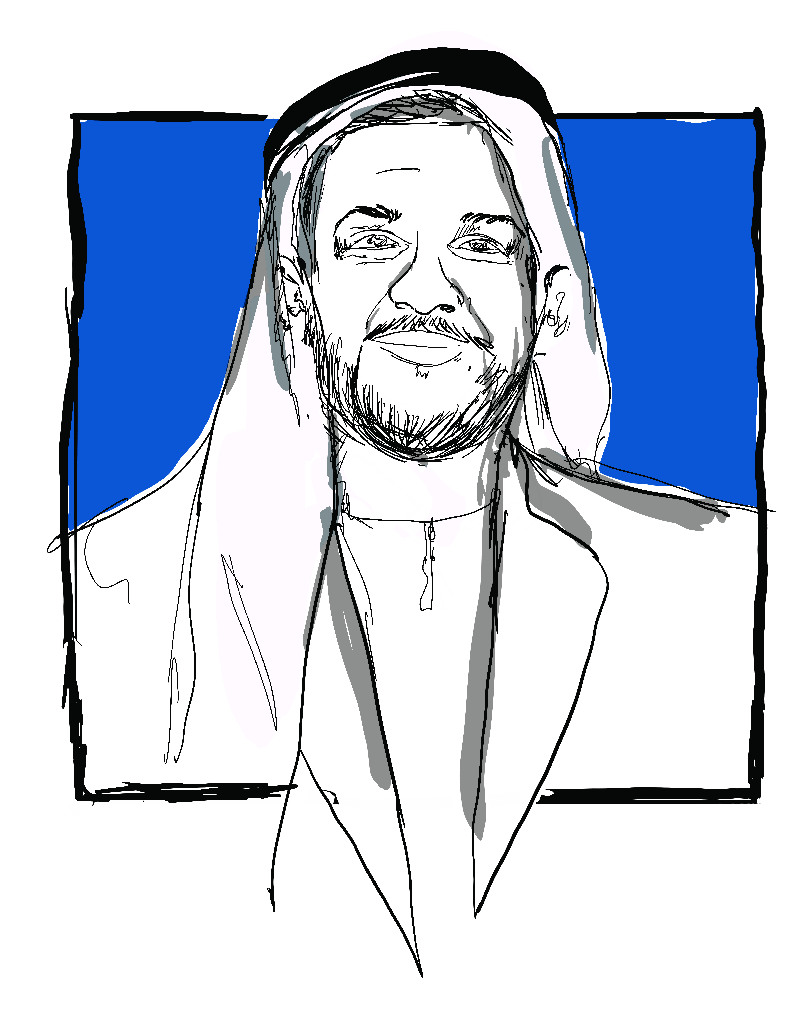
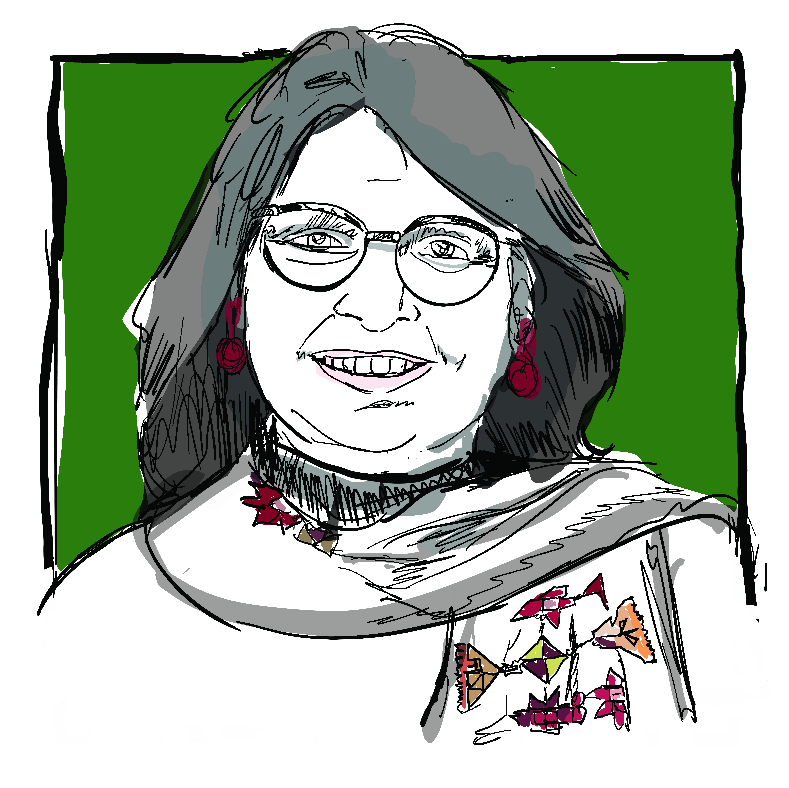
Mayroun, named after the forcibly depopulated Palestinian village of Mayroun, located west of Safad in northern occupied Palestine — is a project centered on the Palestinian narrative as a space for knowledge, memory, and belonging. It brings together a historical dimension led by historian Dr. Johnny Mansour and an emotional dimension rooted in refugee experiences, led by researcher Tareq Bakri, founder of the “We Were and We Still Are” initiative.

Voices Across Palestine
Participant Quotes
Click the dots on the map to meet Mayroun participants from across Palestinian communities.

Click a dot on the map to read participant quotes.





A Journey Through Memory
Stories of Heritage
& Preservation
Read the full illustrated journey of Palestinian memory and heritage.
"Tall, graceful one, stop and let me tell you
you're leaving for exile, but your homeland is better for you"
Palestinian Folk Song
Voices from the Program
Frequently Asked Questions
Meron is a Youth Engagement by RO'A Center focusing on the Palestinian narrative as a space for knowledge, memory, and belonging. It brings together historical and emotional dimensions of Palestinian identity.
The program is named after the depopulated Palestinian village of Mayroun, north of historic Palestine, west of Safad. The name connects the program to a rooted sense of Palestinian place and belonging.
Dr. Johnny Mansour leads the historical dimension of the program, from the late Ottoman period up until modern history. The researcher Tarek Al-Bakri leads the emotional and nostalgic dimension through the We Were and Still Are There initiative.
The Palestinian narrative places Palestinians as actors in their cause — not as passive subjects. Palestinians and their narrative become the starting point that shapes their choices, struggles, acceptance of difference and change, self-knowledge, culture and connection with their people, and most importantly self-determination.